
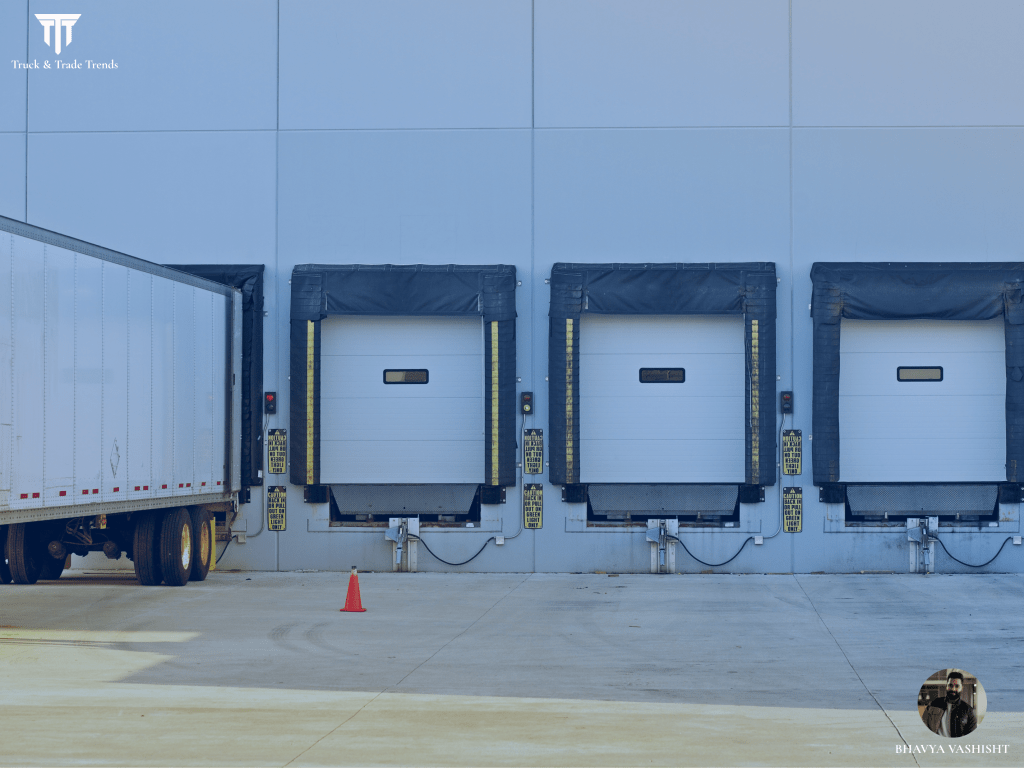
I’ve sat in enough rate reviews to know how this usually goes.
A shipper opens with: “Your linehaul is competitive, but these accessorials are out of control.” The carrier response is predictable: “We’re not adding fees, we’re billing for what’s already happening.”
Then everyone points at the same problem, but from opposite sides of the table.
Shippers call it operational reality. Carriers call it abuse.
Here’s the uncomfortable truth: both can be true at the same time, and in 2026 it’s getting worse because detention is no longer a small annoyance. It is a margin killer.
ATRI has quantified detention as a major productivity and cost drain, and their 2024 research put the industry impact in the billions for 2023. DAT also highlighted the ugly part carriers live with: most fleets charge detention, but fewer than half of those invoices actually get paid.
So the debate isn’t “is detention real?” It is. The debate is whether the system is being used fairly.
What’s actually happening on the dock right now
Detention has evolved from “we got stuck” to a business model hiding inside appointment windows.
1) The two-hour free time myth is quietly shifting costs onto carriers
Two hours “free” might have made sense when stops were predictable. Today, it has become a default subsidy.
If a driver hits a facility at 9:55 for a 10:00 appointment, gets a door at 12:30, and leaves at 2:00, someone just burned a huge chunk of their legal workday. That lost time does not show up in your linehaul rate. It shows up later, as accessorials, service failures, or carriers refusing the lane.
ATRI’s data shows detention remains widespread, even if the worst delays have improved over time.
2) “Accessorial creep” is real, on both sides
Carriers are adding more line items because they’re tired of eating exceptions. Shippers are pushing back harder because accessorials feel unpredictable and sometimes poorly documented.
And brokers are stuck in the middle, playing email tag over timestamps, while the truck is already late to the next pickup.
DAT has even started calling out “accessorial exposure” as something freight leaders should watch weekly, right alongside rates. That tells you how mainstream this has become.
3) The biggest fight is not detention itself, it’s the definition of “start time”
This is where most “abuse” arguments come from:
- Shipper says detention starts at appointment time.
- Carrier says detention starts at arrival time.
- Facility says detention starts when the driver gets a door.
- Broker says detention starts when we receive a signed-in time, on the “right” form, within 24 hours, with prior approval.
If you want conflict, that’s the recipe.
So, are shippers abusing it?
Sometimes, yes. Not always intentionally, but the effect is the same.
Here are the patterns that cross the line from “reality” to “abuse”:
- Appointments that are fiction: the time is assigned, but doors are not staffed to meet it.
- Punitive check-in rules: arrive early, wait longer. Arrive on time, still wait.
- Documentation traps: detention is “approved” only if a specific person replies, but that person is never reachable.
- Receiver behavior that never changes: the carrier eats it because they can’t afford to lose the customer.
In a soft market, carriers tolerate it. In a tightening market, they retaliate quietly: higher rates, less capacity, more rejections.
That is why this topic is hot right now. It’s not a moral issue, it’s a supply chain performance issue.
The real problem: detention has become a silent wage cut and a silent service cut
Every hour on the dock does three things:
- It reduces driver earning potential, which fuels the driver shortage narrative in a very real way.
- It blows up dispatch strategy, because Hours of Service does not care why you waited.
- It turns your network into a chain reaction of late pickups, missed delivery windows, and frustrated customers.
You can argue about fairness all day, but detention is ultimately a system-level efficiency leak.
The solution: stop arguing and build a “detention-proof” operating model
This is where most fleets and shippers mess up. They treat detention like a billing issue. It’s not. It’s a process issue.
If you’re a carrier, here’s the playbook that actually works
1) Put timestamps in the rate confirmation, not in someone’s memory. Define four times, every load:
- arrival
- check-in
- door-in
- release
If a broker or shipper won’t agree to a clear definition, that’s a red flag, not a negotiation detail.
2) Price the facility, not just the lane. Two receivers on the same lane are two different businesses. One is predictable, one is chaos. Stop pretending they deserve the same rate.
3) Stop billing detention like you’re apologizing for it. Charge it like a capacity reservation fee, because that’s what it is. Your truck and driver were reserved, the facility used that reservation inefficiently.
4) Use escalation rules that dispatch can run without begging. Example:
- At 90 minutes: notify broker and shipper, document, request door ETA
- At 120 minutes: detention clock starts, written notice sent
- At 180 minutes: layover decision, pre-authorized
No drama, no feelings, just a process.
DAT has already been pushing the industry toward better data discipline and analytics around detention management, and it’s overdue.
If you’re a shipper or receiver, here’s how you stop bleeding service and relationships
1) Publish a facility scorecard you are willing to be judged by. Average door wait, average unload time, percent within appointment window.
If you don’t measure it, you are not serious about fixing it.
2) Pay for performance, and charge for chaos. You don’t need to accept every accessorial, but you do need a fair rule:
- If the carrier hits the appointment, and you miss the door, pay detention automatically.
- If the carrier misses the appointment, detention resets.
Simple. Fair. Enforceable.
3) Fix the real root cause: labor scheduling and yard flow. A lot of “operational reality” is just staffing not matching inbound volume. That’s not a trucking problem. That’s internal planning.
Where I land on the debate
Carriers are not crazy for calling this abuse. The cost is real, and it’s rising in importance. Shippers are not crazy for saying it’s messy. Dock operations are messy.
But if your “mess” is consistently paid for by someone else, it stops being reality and starts being a system you’re benefiting from.
2026 planning is already difficult enough with rate volatility and uncertain demand signals. Adding detention fights on top of that is how partnerships die quietly.
If you want a competitive network this year, treat detention like what it is: a pricing and productivity signal, not an invoice argument.
About the Author:
Bhavya Vashisht is the Director of Operations at Canamex Carbra Transportation and the voice behind Truck & Trade Trends. He shares field-tested insights from the frontlines of U.S. trucking and logistics to help fleets operate smarter, safer, and more profitably.
👉 Connect with me on LinkedIn (Bhavya Vashisht) for more insights on trucking, logistics, and fleet optimization.
👉 Subscribe to the Truck & Trade Trends newsletter to stay ahead of weekly supply chain updates, real-world fleet stories, and strategies shaping the future of logistics


Leave a Reply