
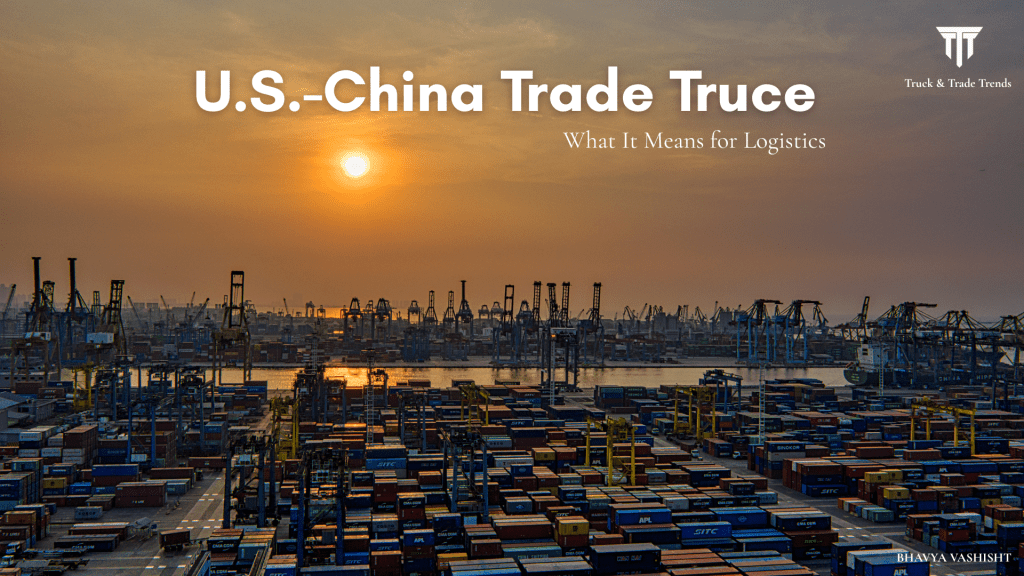
Just days ago, a significant shift unfolded on the global trade stage. After months of tension and escalating tariffs, the U.S. and China announced a 90-day tariff truce; marking a notable step toward economic normalization between two of the world’s largest economies. The implications for our logistics and trucking sectors in North America are profound and immediate.
Let’s unpack what’s happened, what’s likely to follow, and what operators, shippers, and carriers need to prepare for.
The Deal at a Glance
- Tariff Reductions: The U.S. has agreed to slash tariffs on Chinese imports from 145% to 30%, while China will lower its tariffs on American goods from 125% to 10%.
- Non-Tariff Concessions: China has lifted its ban on Boeing deliveries and paused several regulatory hurdles for U.S. firms operating in its market.
- Timeline: This is a 90-day deal with the intent to negotiate further and potentially restructure the framework of bilateral trade.
What This Means for the Logistics Sector
1. Immediate Easing of Port Congestion – But Not for Long
The tariff cuts are likely to trigger a temporary rush of import activity, especially at West Coast ports like Los Angeles and Long Beach. Shippers that had paused or rerouted Chinese-origin goods may now resume activity, straining dock capacity, warehousing, and first-mile drayage once again. Expect a brief but sharp surge in container volume.
2. A Short-Term Rate War in Trucking?
With freight volumes expected to spike in the short term, spot market rates could see an artificial boost, particularly for drayage and short-haul routes linked to port activity. But make no mistake; this is not organic growth. It’s a policy-driven wave that could subside just as quickly if long-term trade clarity isn’t achieved.
3. Shifting Inventory Strategies
During the height of the trade war, many U.S. businesses diversified sourcing away from China. This truce may reverse or pause that shift, reinstating old lanes and supplier relationships. For 3PLs and asset-based carriers, that means recalibrating dispatch strategies and re-engaging dormant contracts but with caution.
Strategic Considerations for Industry Leaders
A. Don’t Overcommit While the market reacts with optimism, logistics companies should avoid expanding capacity too aggressively. This is a 90-day window, not a long-term guarantee. Flexibility not fixed expansion – is the name of the game.
B. Double Down on Visibility Tools Surges and volatility go hand in hand. Invest in real-time visibility platforms, API integrations, and TMS tools that allow you to track volume shifts and respond quickly. Lagging carriers will feel the pinch in service level KPIs.
C. Strengthen Partnerships With Customs Brokers Regulatory shifts are likely to be dynamic in the coming months. Having proactive, agile customs brokerage partners can mean the difference between a smooth clearance and a costly delay.
Long-Term Outlook: Proceed with Optimism and a Seatbelt
There’s no denying this truce sends a positive signal. Market confidence has improved, stocks are surging, and shippers are breathing easier. But as operators in the trenches of North American freight, we must acknowledge that this is a fragile peace.
The trade deal’s temporary nature means uncertainty still looms. Political shifts, election cycles, and geopolitical maneuvering will all play a role in determining whether this is the start of a broader reset or just a brief ceasefire in a long economic standoff.
In logistics, we often say: “We don’t control the storm, but we can control the ship.” The U.S.-China tariff truce may calm the waters for now, but our readiness, resilience, and agility will determine how we ride the next wave.
Let’s use this window to strengthen our systems, renegotiate with insight, and prepare for whatever comes next.
—
You’re reading Truck & Trade Trends — insights for the road ahead.


Leave a Reply