
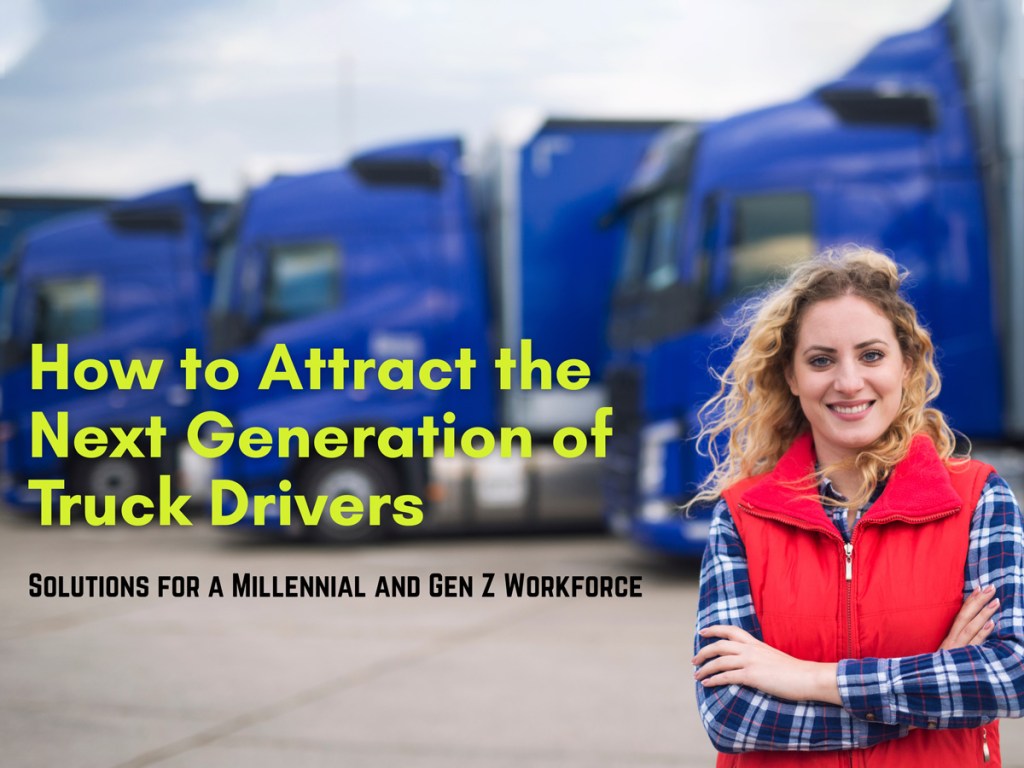
The Next Big Shortage Is Already Here.
Ask any fleet owner, dispatch manager, or recruiter what keeps them up at night, and the answer isn’t rising fuel prices or new tech. It’s the growing emptiness behind the wheel. We’re not just facing a “driver shortage” anymore; we’re staring down a generational vacuum. Walk into any trucking terminal and you’ll see it: the workforce is aging, the recruitment posters look like relics from another era, and the next generation is nowhere in sight.
Why Aren’t Millennials and Gen Z Signing Up?
The trucking industry has a branding problem. For decades, the image has barely shifted; long hours, uncertain schedules, isolation, and little focus on growth. Meanwhile, Millennials and Gen Z want purpose, flexibility, respect, and technology that keeps pace with the world they live in. If you think posting job ads on Instagram or slapping a “now hiring” magnet on the trailer will cut it, you’re missing the point. This isn’t just a pay or perks issue. It’s a fundamental mismatch between how the industry has always operated and what young professionals expect from a career.
The Reality: What’s Actually Happening on the Ground.
Take a look at the numbers. According to the American Trucking Associations, the average age of a U.S. truck driver is now over 47. The Bureau of Labor Statistics predicts the industry will need to hire nearly 1.2 million drivers over the next decade just to keep up with demand and retirements. At the same time, companies are pouring money into logistics technology, fleet optimization tools, and advanced dispatch strategy to do more with less.
But here’s the catch: no amount of automation or logistics technology can replace the value of a skilled, motivated driver. And that’s the reality most supply chain leaders are quietly admitting privately, if not yet publicly.
What’s Actually Working? New-Generation Solutions
This is where some operators are thinking radically different.
1. Redefine the “Driver Experience”
Forward-thinking fleets are building community, not just jobs. Take Hirschbach or Nussbaum Transportation, these companies offer flexible scheduling, transparent pay models, and built-in mentorship programs. They use tech not just for tracking freight, but to improve driver lifestyle: mobile apps for route optimization, real-time feedback, and on-demand support. Young drivers expect the same seamless tech as any other profession.
2. Tell the Truth (and Tell It Well)
The new generation sees through corporate spin. They want the reality, warts and all but they also want to hear stories of impact. For example, Schneider National’s social media features day-in-the-life content and real, unscripted stories from their youngest drivers. Instead of hiding industry challenges, they show how drivers can make a difference: keeping shelves stocked, supporting disaster relief, even influencing supply chain decisions.
3. Pathways, Not Dead Ends
Gen Z especially hates the idea of a “dead-end job.” Some of the most successful fleets are partnering with community colleges, tech schools, and even high schools, not just to offer CDL training, but to build career ladders. Progressive operators are mapping out career journeys from driver to dispatcher, operations manager, or logistics analyst. The new wave wants to know there’s a future beyond the cab.
4. Focus on Mental Health and Well-Being
This generation is open about mental health, and the industry can’t afford to ignore it. Forward-looking fleets are offering real benefits: telehealth, wellness check-ins, and peer support networks. Mental well-being is fast becoming as important as mileage pay.
5. Inclusion and Respect Are Not Optional
Women, minorities, and LGBTQ+ individuals still face barriers in trucking. Companies that embrace true diversity by building safe reporting channels, offering gender-neutral facilities, and actively listening are not just ticking boxes. They’re creating workplaces where everyone wants to stay.
What’s the Takeaway?
Trucking is not just a “job you do because you have to.” For a new generation, it can be a career that matters if the industry is willing to meet them halfway. That means honest conversations, updated operations, and a new focus on what actually motivates people in 2025.
If you’re reading this as a fleet owner or logistics leader and still recruiting “the old way,” it’s time to rethink your playbook. Building a future-ready workforce isn’t about flashy perks or trendy social media, it’s about rebuilding the culture of trucking from the inside out.
Practical Steps for Fleet Leaders:
- Audit your driver experience from onboarding to daily work where are you falling short for young professionals?
- Invest in logistics technology that actually makes life better for drivers, not just easier for dispatch.
- Champion real stories from diverse drivers, not just scripted PR pieces.
- Create clear career paths that let drivers grow beyond the wheel.
- Be transparent about challenges, and let the next generation be part of the solution.
The driver shortage is not going away with a sign-on bonus or a TikTok ad. It’s time to build a new kind of industry, one that today’s talent wants to join, and one that’s built to last.
If you’re leading in trucking, logistics, or supply chain, ask yourself: Is your operation somewhere the next generation would be proud to work? It’s not just about filling seats. It’s about building the future of freight—one driver at a time.
 Truck & Trade Trends
Leave a comment