
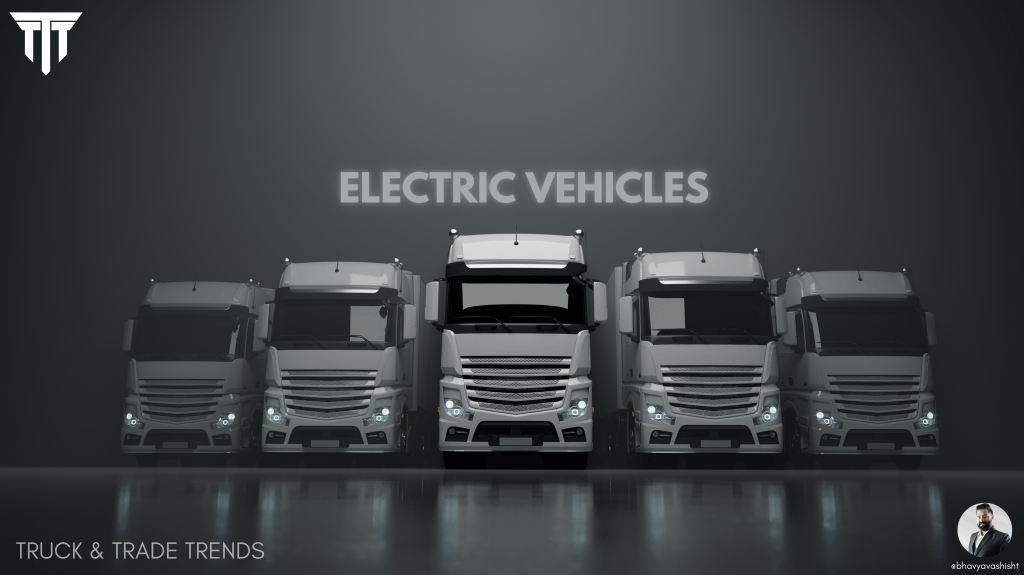
he transportation and logistics industry is on the brink of a massive transformation. With global climate concerns and stricter emission regulations driving change, the shift towards electric Heavy Goods Vehicles (HGVs) is no longer a distant possibility, it’s happening now. Major trucking companies, fleet operators, and policymakers are accelerating the adoption of electric trucks to reduce carbon footprints and operational costs.
Why Electric HGVs Are the Future
The push for sustainability and efficiency in trucking has led to groundbreaking innovations in electric vehicle (EV) technology. Here’s why electric HGVs are gaining momentum:
1. Stricter Emission Regulations
Governments worldwide are enforcing stringent emission laws to combat air pollution and climate change. The European Union, the United States, and other regions have set ambitious carbon reduction targets, prompting trucking companies to explore electric alternatives. In many cases, non-compliance with these regulations can lead to heavy fines and operational restrictions.
2. Cost Savings on Fuel and Maintenance
One of the biggest incentives for transitioning to electric trucks is cost efficiency. Unlike diesel-powered HGVs, electric trucks offer:
- Lower fuel costs: Electricity is significantly cheaper than diesel, reducing long-term expenses.
- Minimal maintenance: EVs have fewer moving parts, reducing the need for frequent repairs and servicing.
- Government incentives: Many governments offer tax credits, grants, and subsidies for adopting electric trucks, making the transition more affordable.
3. Advancements in Battery Technology
Early concerns about battery life and range anxiety are being addressed with rapid technological advancements. Today’s electric HGVs feature:
- Extended range batteries that enable long-haul transportation.
- Fast-charging solutions that reduce downtime and increase efficiency.
- Innovations in battery swapping, which could revolutionize logistics by allowing trucks to swap depleted batteries for fully charged ones in minutes.
4. Growing Infrastructure for EV Charging
A widespread charging network is crucial for the adoption of electric HGVs. Governments and private enterprises are investing heavily in developing charging stations along major freight corridors. Companies like Tesla, Volvo, Daimler, and Nikola are spearheading initiatives to expand EV truck charging networks.
5. Corporate Sustainability Commitments
Leading logistics companies and retailers are prioritizing sustainability by committing to fully electric fleets. Brands like Amazon, UPS, and Walmart have announced large-scale electric truck investments to align with their carbon neutrality goals. This shift not only reduces their environmental impact but also enhances brand reputation and customer trust.
Challenges of Transitioning to Electric HGVs
Despite the promising benefits, some challenges still hinder the widespread adoption of electric HGVs:
- High Initial Investment: Electric trucks have a higher upfront cost than diesel trucks, though this is offset by long-term savings.
- Charging Infrastructure Gaps: While charging networks are expanding, more infrastructure is needed to support long-haul routes.
- Battery Recycling and Sustainability: Large-scale battery production and disposal raise concerns about environmental impact. Sustainable battery recycling solutions are essential for a fully green transition.
- Load Capacity and Range Limitations: Some fleets worry about payload capacity due to the weight of batteries and the need for reliable long-distance travel.
The Road Ahead: What’s Next for Electric Trucking?
The trucking industry is evolving rapidly, and electric HGVs are poised to take over diesel fleets in the coming decades. To accelerate this shift, key industry players are focusing on:
- Developing more cost-effective battery solutions.
- Scaling up EV truck production to meet demand.
- Expanding charging networks across logistics hubs.
- Creating policies and incentives that support electrification.
As technology improves and infrastructure expands, electric trucking will become the industry standard. Fleet operators who adapt early will gain a competitive advantage, benefiting from lower costs, regulatory compliance, and a strong commitment to sustainability.
Final Thoughts
The transition to electric HGVs is not just a trend—it’s the future of the trucking industry. As companies, governments, and innovators work together to overcome challenges, we can expect a cleaner, more efficient, and cost-effective logistics sector.
Are you ready for the electric revolution in trucking? Stay ahead of the curve with Truck & Trade Trends, where we bring you the latest insights into the future of logistics and supply chain management.
 Truck & Trade Trends
Leave a comment